Selecting roofing material for an industrial, commercial, warehouse, residential, plus infrastructure project involves more than choosing a colour or checking a basic price quote. Buyers need consistent specifications, suitable dimensions, dependable processing, plus clarity about the material being supplied.
For buyers searching for a color coated sheet manufacturer in Faridabad, evaluating manufacturing capability plus specification support can help reduce procurement mistakes.
Start With the Required Application
The first step is defining where the sheets will be used.
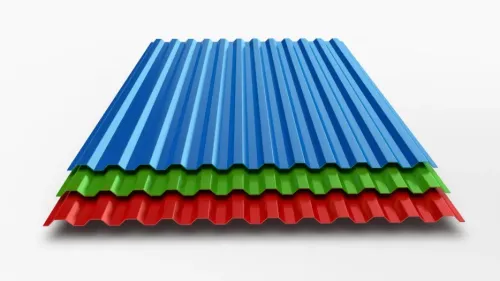
Color-coated sheets can be used for:
- Industrial sheds
- Warehouses
- Workshops
- Factory roofing
- Commercial structures
- Utility buildings
- Canopies
- Storage facilities
Each application may require a different profile, thickness, finish, plus sheet length.
A manufacturer should be able to understand the intended use before suggesting a suitable specification.
Check Thickness Clearly
Thickness is one of the most important technical details in roofing procurement.
Do not rely only on product names or appearance. Ask for the actual thickness mentioned in the quotation.
This helps prevent confusion when comparing multiple suppliers.
The appropriate thickness depends on project design, support spacing, roof profile, plus structural requirements.
Review the Available Profiles
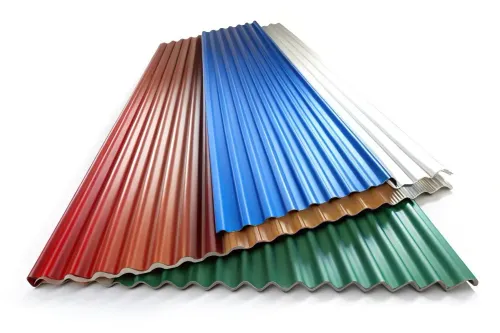
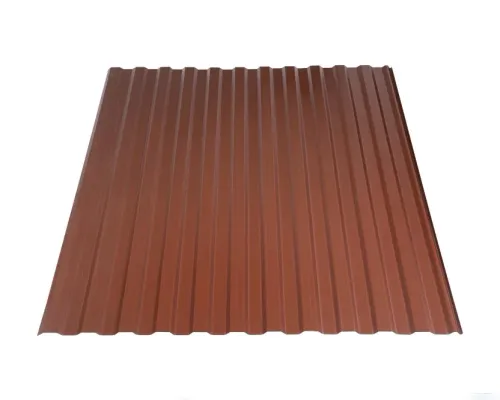
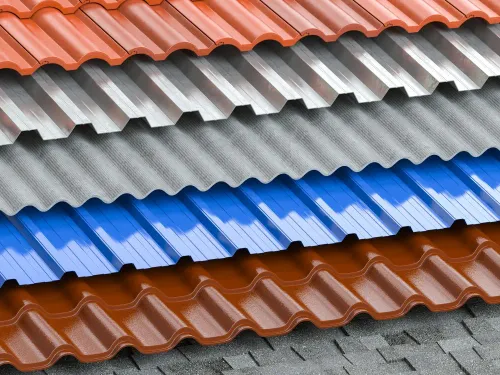
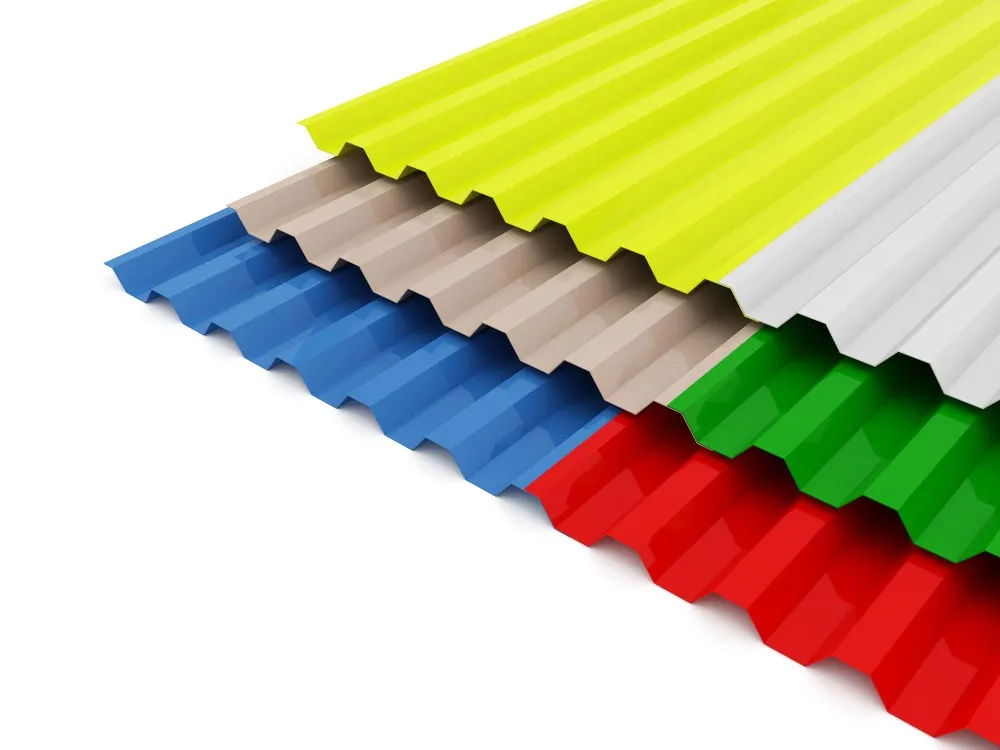
Roofing profiles influence rigidity, effective coverage, drainage, plus final appearance.
Before choosing a manufacturer, check whether the required profile is available for the project.
Project buyers should also confirm effective coverage rather than looking only at the overall sheet width.
This can influence the total quantity required.
Ask About Length Customization
Standard sheet lengths may not always suit every roof.
If the roof dimensions are known, suitable sheet lengths can help reduce unnecessary cutting at the site.
This is particularly useful for larger warehouses plus industrial sheds where material waste can increase across repeated roof sections.
A manufacturer capable of processing project-specific dimensions can make procurement more efficient.
Consider Coating Quality
The visible colour is only one part of the product.
The protective coating contributes to the surface finish plus environmental resistance.
Buyers should understand the product specification being supplied instead of selecting material only according to shade.
This is especially important for roofing that will remain continuously exposed.
Check Consistency Across Quantity
Large projects may require substantial quantities.
Consistency across sheets can make installation easier plus improve the appearance of the completed roof.
Useful parameters to verify include:
- Profile
- Thickness
- Length
- Width
- Finish
- Colour
- Quantity
- Surface condition
Keeping these details consistent helps reduce complications during installation.
Evaluate Cutting Capability
Project-specific cutting can improve material planning.
Accurate lengths reduce the need for repeated trimming at the construction site.
This can also simplify handling during installation.
Before confirming a large order, buyers should provide finalized dimensions wherever possible.
Ask About Handling
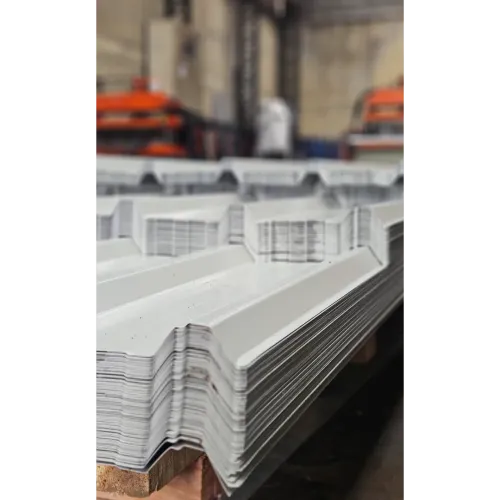
A properly manufactured sheet can still be damaged through poor handling.
Color-coated roofing requires care during stacking, loading, unloading, plus storage.
Scratches, bent edges, plus distorted profiles can affect installation.
Buyers should therefore consider the complete supply process, not only manufacturing.
Compare Quotations on Specifications
A lower quotation may look attractive initially, but meaningful comparison requires equivalent specifications.
Confirm whether competing quotations include the same thickness, profile, dimensions, coating, plus quantity.
Metroshine Steel supplies color-coated roofing products for varied construction requirements. Buyers can discuss project dimensions, application, required profile, plus technical specifications before finalizing material.
Choosing a suitable color coated sheet manufacturer in Faridabad becomes easier when the decision is based on manufacturing consistency, dimensional accuracy, product specifications, plus project understanding rather than price alone.
Keywords