A finished roofing sheet may appear simple, but its dimensions, profile, finish, and consistency are the result of several manufacturing and processing stages. Understanding these stages can help contractors and project buyers make better procurement decisions.
For customers evaluating a roofing sheet factory in Faridabad, knowing how roofing sheets are processed is particularly useful when comparing products for industrial, commercial, warehouse, or construction applications.
Roofing Begins With the Base Material
The process starts with suitable sheet or coil material selected according to the intended roofing product.
Depending on the specification, the material may already include protective or decorative finishes. The selected raw material has a direct influence on the finished sheet's thickness, surface characteristics, and suitability for the intended use.
This is why buyers should specify technical requirements rather than simply requesting roofing sheets.
Profiling Gives the Sheet Its Shape
Flat metal alone does not provide the familiar shape seen on most industrial roofs.
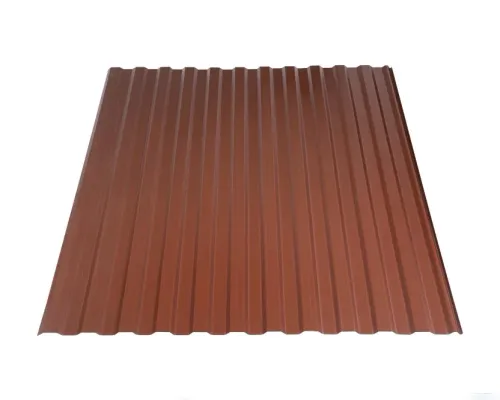
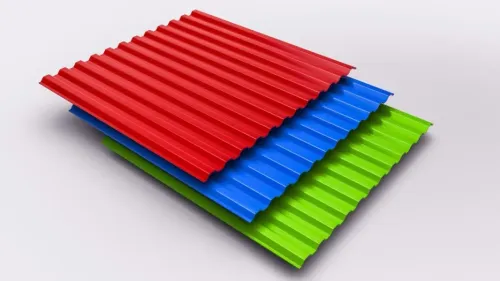
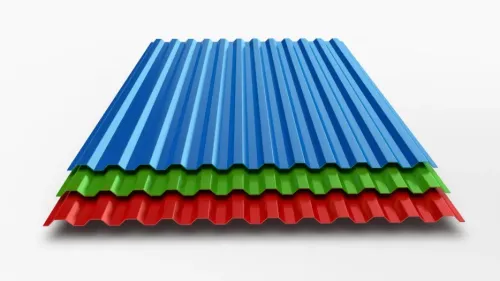
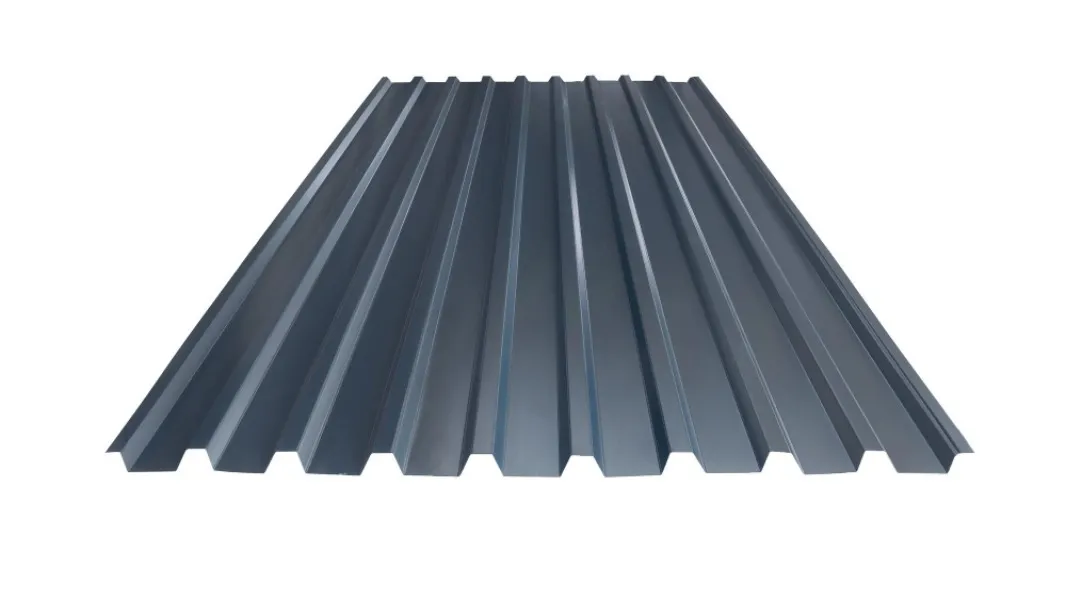
During profiling, the material passes through forming equipment that gradually creates the required roofing profile. The resulting ribs or corrugations contribute to rigidity while also supporting drainage and installation.
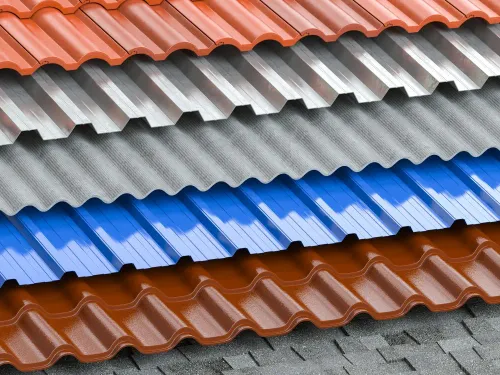
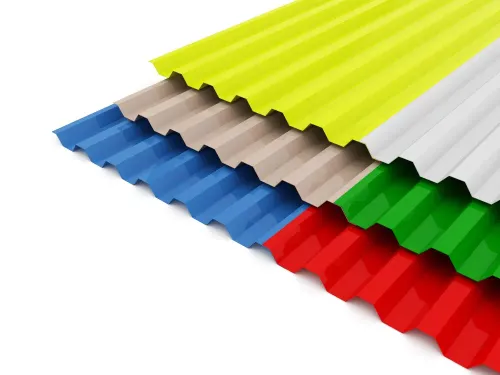
Different profiles may be chosen according to structural requirements, appearance, sheet coverage, and project design.
Accurate Dimensions Are Important
Roof dimensions influence the lengths required for installation.
If sheets are considerably longer than necessary, additional cutting may be required at the project site. If they are too short, the installation may need more joints or overlaps.
Accurate project measurements therefore help during material planning.
Factory-level dimensional planning can be especially valuable for warehouses and industrial sheds where roof areas are large and repetitive.
Cutting Requires Precision
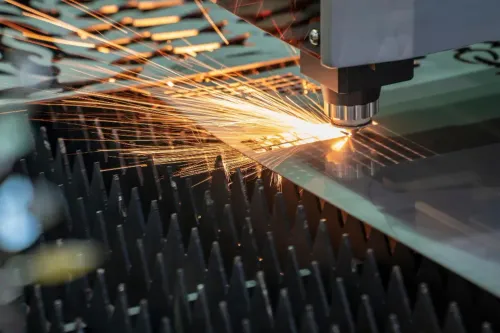
Once the required profile and dimensions are established, sheets need to be cut to appropriate lengths.
Poor dimensional accuracy can create difficulties during installation. Consistent cutting supports alignment and can reduce avoidable material wastage.
Before ordering, project teams should verify dimensions carefully rather than relying entirely on rough site estimates.
Surface Condition Should Be Checked
Roofing material is visible after installation, making surface condition relevant as well as structural suitability.
Handling practices should minimize:
- Scratches
- Dents
- Bent edges
- Surface contamination
- Unnecessary deformation
Color-coated sheets require particular care because visible surface damage can affect the appearance of the completed roof.
Quality Is More Than Appearance
A sheet can look acceptable while still being unsuitable for the application.
Useful parameters to confirm include:
- Material specification
- Thickness
- Profile dimensions
- Width
- Length
- Coating or finish
- Colour
- Quantity
For project procurement, maintaining these specifications across the required quantity helps simplify installation.
Packaging and Handling Complete the Process
Manufacturing is only part of the journey.
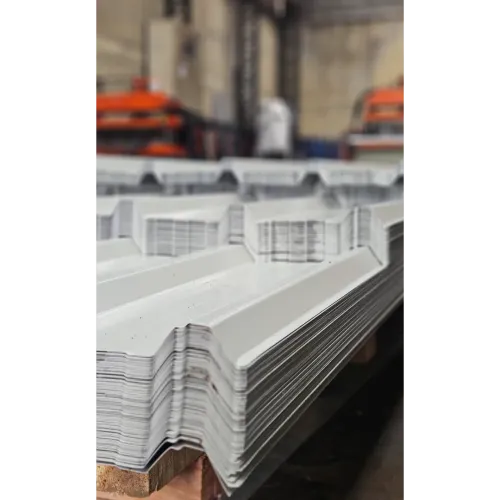
Roofing sheets must also be stacked, handled, transported, unloaded, and stored correctly. Damage during these stages can reduce the benefit of accurate manufacturing.
Project teams should prepare suitable unloading and storage arrangements before material arrives.
Why Factory Understanding Helps Faridabad Buyers
Faridabad has a substantial base of industrial, engineering, fabrication, warehouse, and commercial activity. Roofing requirements can range from relatively small extensions to large shed structures.
Metroshine Steel provides roofing sheet solutions suited to different project requirements. Buyers discussing factory requirements should provide dimensions, thickness, profile, finish, quantity, and application details so that the material specification can be evaluated appropriately.
When selecting a roofing sheet factory in Faridabad, looking beyond the finished appearance is worthwhile. Raw material selection, profiling, dimensional accuracy, cutting, handling, and specification consistency all contribute to how effectively the roofing material performs once it reaches the construction site.